SPYRO
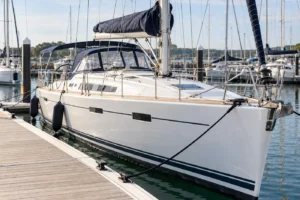
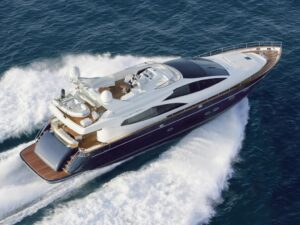
RIVA SUPER OPERA 85 About SPYRO Introducing the 25.9-meter motor yacht SPYRO, a stunning Riva 85 Opera crafted in Italy by the prestigious Riva shipyard.
THE EYB COUNTRY GUIDES · Portugal
Match the boat to your plans, check its records and condition, and organise registration and handover with a clear evidence trail.
By Peter Mattey · 9 min read · Facts checked 2026-10-03
Buying a boat Portugal should start with the way you intend to use it, followed by a careful check of the actual craft and its documents. Portuguese recreational classifications set navigation limits, so an attractive specification is only part of the decision. This guide connects verified registration, inspection and transfer information with practical recommendations for planning the purchase. It does not offer an invented market price, standard survey fee or guaranteed completion timetable.
Build a shortlist around the boat's permitted use, your command qualification and the work you are willing to undertake. Keep the purchase price separate from quotations for berthing, insurance and maintenance. Where tax treatment or contract wording affects the decision, obtain advice from a locally qualified adviser before committing. For anything this guide does not cover, email us at info@europeanyachtbrokers.com for the latest information.
Key facts at a glance
Article 8 distinguishes recreational craft by their authorised navigation area. (Consolidated text last amended 13 October 2020.)
Diário da República ·Article 15 requires recreational craft within its regime to be registered before use. (Consolidated text last amended 13 October 2020.)
Diário da República ·Article 25 defines a periodic inspection as checking safety conditions and minimum mandatory equipment. (Consolidated text last amended 13 October 2020.)
Diário da República ·Article 33 requires third-party liability insurance for types 1–4, powered type 5 craft and sailing type 5 craft longer than seven metres. (Consolidated text last amended 13 October 2020.)
Diário da República ·The DGRM ownership-transfer application is made by the future owner or their legal representative. (Current official service page; no revision date displayed.)
DGRM – Ownership-transfer service ·Section 1
Portugal's recreational regime classifies boats by navigation area, rather than treating every yacht as suitable for the same voyage. Type 3 craft are limited to 40 miles from the coast, while type 4 craft have limits of 25 miles from a shelter port and six miles from the coast. These are statutory classification limits, not suggested itineraries. As a practical recommendation, compare your intended passages with the classification actually shown in the boat's records before deciding that a particular model meets your needs.
The qualification of the person in command matters alongside the boat's classification. Article 35 requires an appropriate recreational qualification or the relevant eligibility as a registered seafarer. Do not infer permission to command solely from having owned a similar boat elsewhere. As a practical recommendation, establish the position for your own certificate and proposed use with the competent authority. If you intend to arrange delivery, identify who will command the boat and what documents they need before agreeing a departure date.
For the physical shortlist, write down your practical priorities: accommodation, access around the deck, propulsion, equipment and the maintenance you can manage. This is a recommended decision method, not a statement about which types sell fastest in Portugal. Compare the same features across the boats you inspect and keep unresolved questions visible. A boat that suits a weekend visit may still require changes before your intended cruising, so ask for written explanations of equipment and documented limitations rather than relying on a broad description.
Broker tip: Write your intended cruising area and command arrangements before choosing a boat. Compare them with the documented classification and ask the competent authority about any qualification question that remains unresolved. See also our guide on whether you need a boat survey in Portugal.
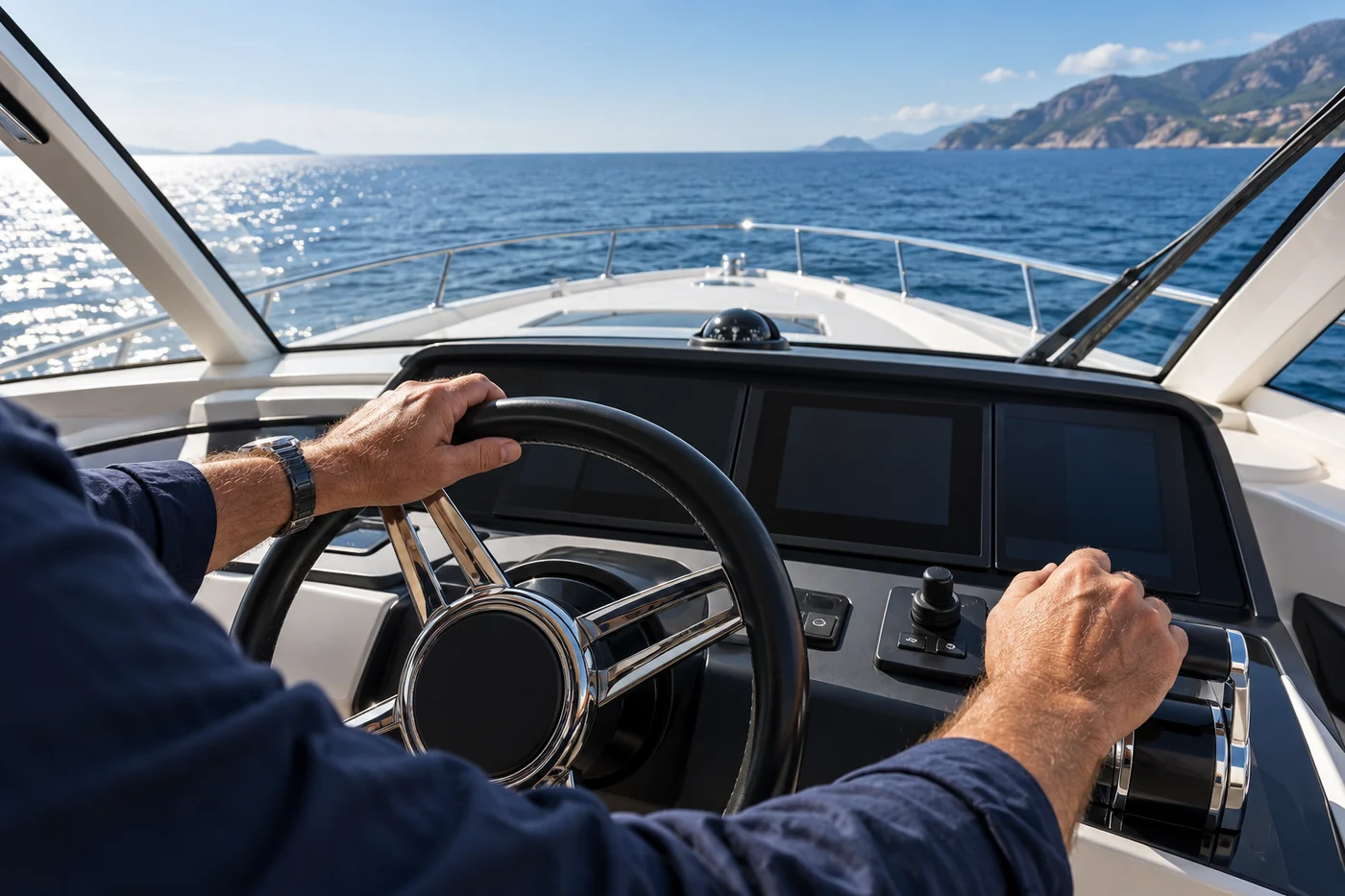
Hands on the helm of a motor yacht during a sea trial.
Choose the area
Section 2
For recreational craft within the Portuguese regime, registration is required before use. The DGRM first-registration service covers new craft and foreign-flag imports among its stated cases; a transfer of an already registered boat is a separate application. As a practical recommendation, identify which route the purchase actually needs before you plan the handover. Ask to see the boat's booklet or equivalent registration document and compare the boat identification and owner details with the evidence offered by the seller.
The first-registration service lists a contract, receipt, invoice or equivalent as examples of ownership-acquisition evidence. The code also requires an EU declaration of conformity where applicable. These records answer different questions: acquisition evidence supports ownership, while conformity documentation concerns the applicable technical framework. As a practical recommendation, keep copies together and mark missing items before money is committed. Do not treat a photograph of a registration document as a complete answer to every ownership, finance, tax or technical question.
Use a written purchase file to connect the seller, the boat and the documents you have reviewed. This is a practical recommendation, not a claim that one universal contract form fits every Portuguese transaction. Record what equipment is included, what remains to be supplied and who will arrange outstanding formalities. Ask a locally qualified lawyer to review an uncertain ownership issue or disputed wording. Obtain a separate tax review where the transaction's history, seller status or cross-border movement creates uncertainty about the amount payable.
Broker tip: Separate existing registration, ownership evidence and conformity documentation in your checklist. Identify the correct application route early, and get qualified help for an unresolved title, tax or contract question before payment. Readers often go on to our guide on whether you pay VAT on a boat in Portugal.

Boat keys and documents handed over on a chart table.
Registration before use
Looking at a boat in Portugal and want a second opinion before you commit? Speak to one of our brokers.
Section 3
A Portuguese periodic inspection checks safety conditions and minimum mandatory equipment under Article 25. The ordinary interval is ten years, with five-year intervals for craft over 24 metres, wooden-hulled craft over 12 metres and craft over 20 years from first registration. Read the existing inspection history and the actual applicable interval together. As a practical recommendation, ask what a separate purchase inspection would examine and require a written scope rather than assuming the official certification answers every question about condition.
Condition review should be specific to the boat you are considering. As a practical recommendation, ask the appointed professional to describe access, exclusions, engine checks and whether an afloat trial or an out-of-water examination is included. Give them the known fault list and available maintenance records. Obtain a quotation before arranging lifting or attendance, and decide how you will respond to significant findings. This guide does not invent a normal inspection charge or claim that any inspection guarantees a boat will remain free from faults.
Insurance belongs in the decision before handover. Article 33 requires third-party liability cover for types 1–4, powered type 5 craft and sailing type 5 craft over seven metres. As a practical recommendation, ask for a quotation covering your intended ownership, location and use, with the start of cover agreed clearly. Obtain separate written prices for the berth and services you actually need. No current nationwide berth tariff, maintenance percentage or average premium is established by the official sources used here. No current nationwide boat-price, berth-price, insurance-premium or maintenance-cost average was verified. No standard private purchase-survey fee or universal escrow protection was verified. For these, email us at info@europeanyachtbrokers.com for the latest information.
Broker tip: Review the inspection history and commission condition work with a defined scope. Collect boat-specific insurance and berth quotations, then keep those costs separate from the purchase price and any unresolved tax amount. Our guide on how to register a boat in Portugal covers a related point.

Yacht broker and buyer inspecting a sailing yacht on deck.
Inspection purpose
Article 25 defines a periodic inspection as checking safety conditions and minimum mandatory equipment. (Consolidated text last amended 13 October 2020.)
Source: Diário da RepúblicaArticle 25 specifies a ten-year periodic inspection interval for recreational craft generally. (Consolidated text last amended 13 October 2020.)
Source: Diário da RepúblicaArticle 25 specifies five-year intervals for craft over 24 metres, wooden-hulled craft over 12 metres and craft over 20 years from first registration. (Consolidated text last amended 13 October 2020.)
Source: Diário da RepúblicaArticle 33 requires third-party liability insurance for types 1–4, powered type 5 craft and sailing type 5 craft longer than seven metres. (Consolidated text last amended 13 October 2020.)
Source: Diário da RepúblicaSection 4
The DGRM ownership-transfer service identifies the future owner or their legal representative as the applicant. Its document list includes acquisition evidence and a copy of the boat booklet or equivalent still showing the seller's name. As a practical recommendation, agree before signing who will collect each record and submit the application. Use the same boat identification across the documents, and resolve a mismatch before submission. Keep the application evidence in the purchase file so the administrative stage remains traceable after handover.
The transfer request is made through BMar using the recreational-craft ownership-transfer request type. DGRM states that its own service has no charge, while warning that additional local maritime-authority costs can apply. This distinction matters: a free DGRM request is not proof that the whole transaction has no registration-related expense. As a practical recommendation, confirm the complete procedure and current charge with the authority handling your case, especially where another registry step or a change to the boat's particulars is involved.
For payment and physical handover, use a written completion checklist as a practical recommendation. Confirm who can authorise the payment, how bank details will be independently checked, which documents must be available and when keys and agreed equipment will be delivered. Do not assume that a brokerage label establishes a protected client-money arrangement; obtain the actual written terms if an intermediary holds funds. Ask a locally qualified lawyer about an uncertain release condition, and retain the signed agreement, payment evidence and handover record together.
Broker tip: Agree the document, payment and handover sequence in writing. Confirm the transfer applicant, retain submission evidence, and obtain the complete current authority charge rather than assuming the whole ownership change is free. A related question is answered in our guide on what boat insurance you need in Portugal. For specific areas, see our guides on buying a boat in Lisbon, buying a boat in Algarve and buying a boat in Madeira.
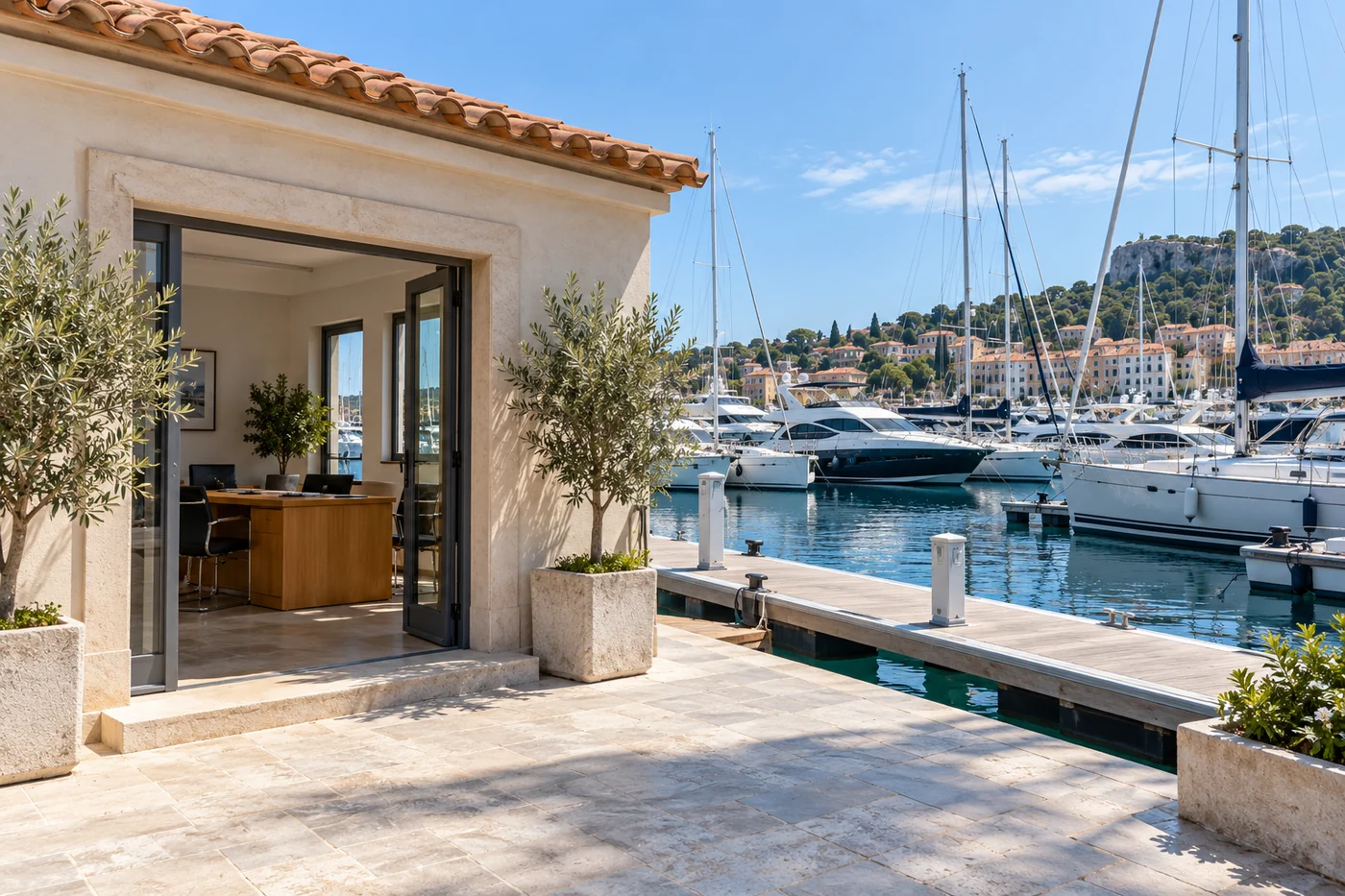
Boat registration at a marina office.
Buyer application
Practical support
Peter Mattey is a yacht broker at European Yacht Brokers with a BA in Law. He is not a Portuguese lawyer: for Portuguese law and tax we refer you to a locally qualified adviser. What we can do is help you plan the purchase, put the right questions to the other side and spot gaps in the paperwork before you commit.
If you are looking for a boat in Portugal, tell us the type of boat, your budget and the area through the enquiry form on this page and a broker will reply. For anything this guide does not cover, email us at info@europeanyachtbrokers.com for the latest information.

Written by
Peter Mattey
Yacht Broker, European Yacht Brokers
BA (Law). Expert in marine law

The handover of a boat at the dock.
Your questions
No: Article 8 classifies recreational craft by their navigation area, with different limits for each type. The boat's documented classification must suit the intended route. As a practical recommendation, compare that record with your plans before committing and check the command qualification separately. A model description, engine specification or seller's itinerary is not a substitute for the actual classification. (Diário da República)
Yes: Article 15 provides for the record to change when ownership changes, and DGRM operates a separate ownership-transfer service. Its applicant is the future owner or legal representative. The service requests acquisition evidence and a copy of the booklet or equivalent still bearing the seller's name. Agree who supplies and submits the documents, then retain the submission evidence with the purchase file. (DGRM)
No: the official periodic inspection's stated purpose is checking safety conditions and minimum mandatory equipment. As a practical recommendation, commission any purchase condition work with its own written scope, access arrangements and exclusions. Review the existing inspection and maintenance records, but ask the appointed professional which systems will actually be examined and what further investigation a finding may require before you accept the boat. (Diário da República)
The statutory requirement covers types 1–4, powered type 5 craft and sailing type 5 craft longer than seven metres. Do not turn that scoped list into a claim about every possible craft or every form of cover. As a practical recommendation, confirm the applicable cover and its start with the insurer for this boat and proposed use before handover or departure. (Diário da República)
Not necessarily: DGRM says its own ownership-transfer service has no charge but warns that additional local maritime-authority charges can apply. Confirm the complete procedure and current charges for your case rather than treating the DGRM statement as a free transaction guarantee. The purchase file should keep authority charges separate from professional fees, berth costs and any applicable tax treatment. (DGRM)
This guide only includes facts checked against official sources. For anything it does not cover, email us at info@europeanyachtbrokers.com for the latest information, and ask a locally qualified adviser to confirm the position for your own boat.
Ready when you are
RIVA SUPER OPERA 85 About SPYRO Introducing the 25.9-meter motor yacht SPYRO, a stunning Riva 85 Opera crafted in Italy by the prestigious Riva shipyard.
Check it yourself
Current recreational boating regime: registration, navigation classifications, certification, insurance and command qualifications.
First-registration service: applications and supporting documents; displayed costs refer to a 2024 tariff.
Ownership-transfer service: applicant, online submission, supporting documents and service-specific costs.
Keep reading
Talk to European Yacht Brokers
Looking for a boat in Portugal? Tell us what you need
Tell us the type of boat, budget and area and a broker will reply.